Minimalism
Intentional minimum. Enough room, money, and attention.
Minimalism on Less vs More means an intentional minimum: enough room, money, and attention for the life you actually want. It is not empty shelves for their own sake. It is a quieter baseline so the few things you keep can do real work.
Use this hub to move by topic. Each branch below stays practical and human. Product pages name categories only. We do not push affiliate carts here.
Explore Minimalism
- Minimalist Organization: systems that keep a small inventory honest and findable.
- Minimalist Product Guides: category overviews for an intentional minimum stack.
- Minimalist Interior Design: rooms that breathe without looking unfinished.
- Minimalist Fashion: a wardrobe that covers real life with fewer decisions.
- Minimalist Daily Systems: defaults, reviews, and stop rules for weekday Less.
Core principles (teaser)
Before you cut, name what Less is protecting: quiet mornings, fewer bills, deeper work, more time with people you like. Cut inputs before you cut joy. Prefer fewer, better defaults. Shrink commitments, not just stuff. Leave spare capacity on purpose. Measure by friction, not by object count.
When a domain still feels underfed after an honest minimum, that is a cue to read the matching Maximalism branch, not to abandon Less everywhere.
What minimalism looks like in a real home
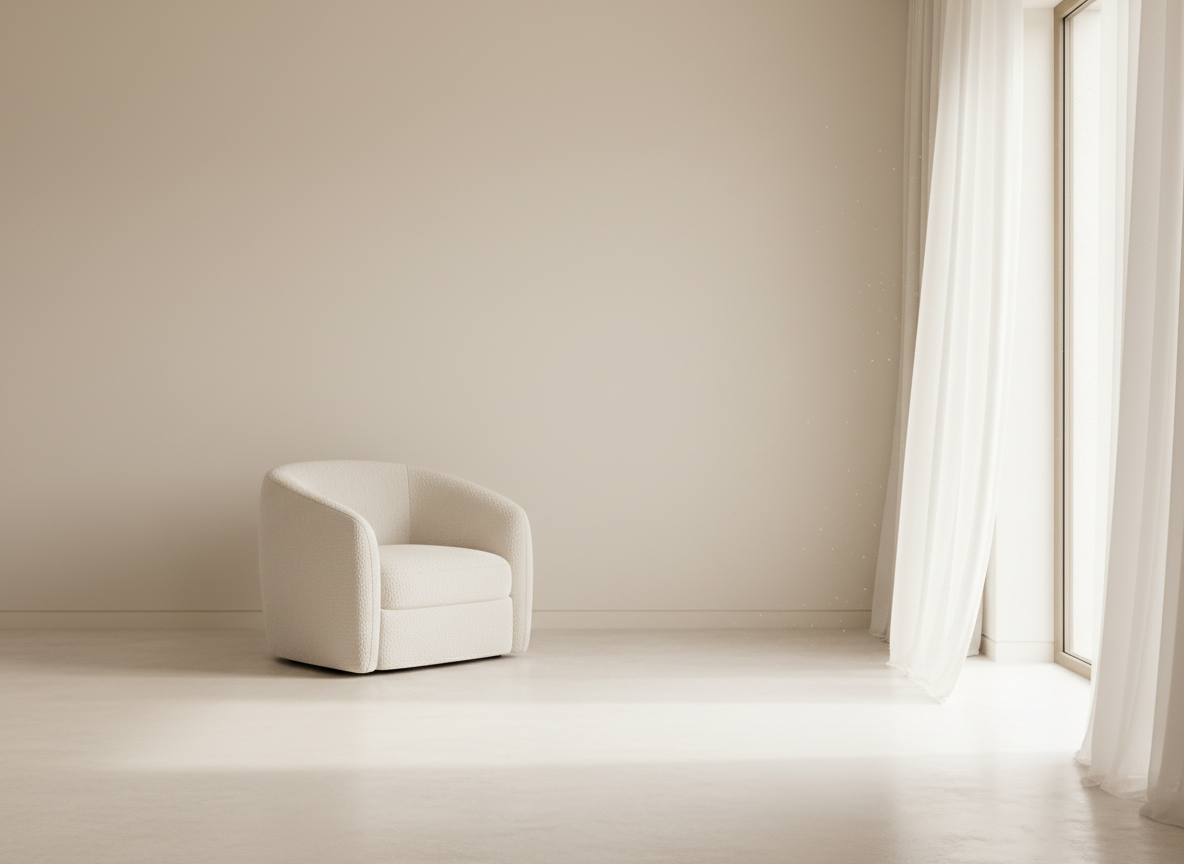
A minimalist home is not a white box. It is a home where every object has a job or a reason, where surfaces stay mostly clear, and where a five-minute reset puts the room back in order. You can have colour, books and art. What you avoid is the pile of things that cost you time to clean, store and decide about without giving much back.
The same idea works in a closet. A minimalist wardrobe is a small set of pieces that mix easily, in a palette you like, so getting dressed takes minutes instead of a full try-on session. See it in practice in fall closet ideas and fall bedroom ideas.
How to start in one weekend
Pick one room, not the whole house. Clear every flat surface into a box, put back only what does the room’s job, and fix the lighting before you buy anything. Give the box seven days. Whatever you did not reach for can go. Then repeat the process in the closet, one category at a time. Our free checklist below walks you through both, step by step.
Is minimalism right for you?
Minimalism tends to suit you if clutter makes you tired, if you move or travel often, if you share a small space, or if you would rather spend money on experiences than objects. It is less of a fit in the one or two areas you love deeply. That is fine. Many readers keep a minimal kitchen and a full bookshelf. Compare both lanes side by side in the Less or More? series.
Minimalism FAQ
Do I have to get rid of my things? No. Start by storing, not tossing. If you do not miss something after a month, letting it go becomes an easy call.
Is minimalism expensive? It usually saves money, because you buy fewer, better things and stop replacing what you already own but cannot find.
How do I keep it up? Use a one-in, one-out rule and a weekly five-minute reset. Small habits beat big purges.
Free checklist: Less or More?
Not sure which lane fits your room or closet? Our free 2-page printable walks you through a one-hour room reset and a weekend closet sort, with a Less column, a More column and a stop rule for each. We will email it to you, free.
Related: Maximalism · About · Disclosure · Home

